
Wrath of Celestials
Leniu Technology Co., LimitedRole Playing
4.71.20K Reviews
- Version
- 1.5
- Installs
- 500.00K
- Age Rating
- Everyone
Screenshots
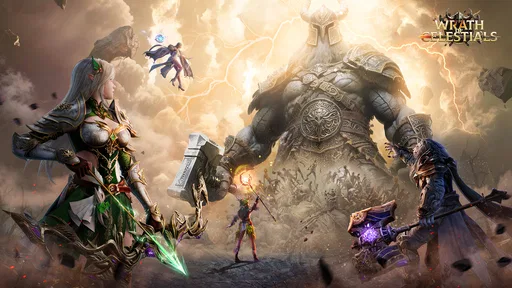
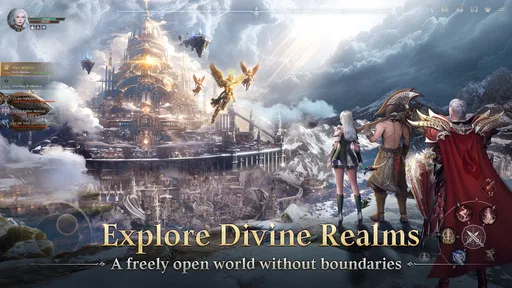
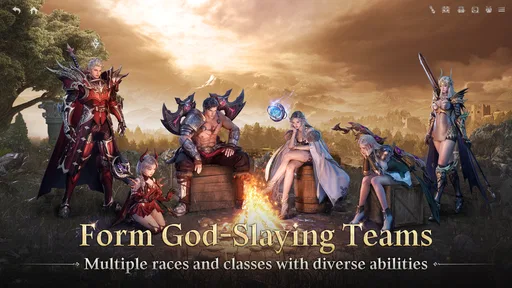
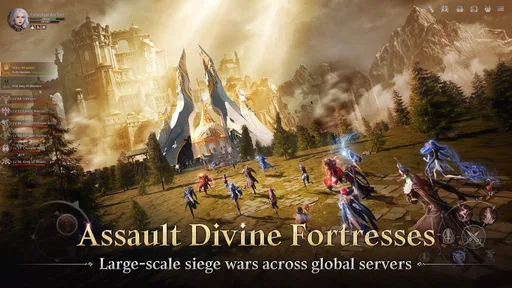
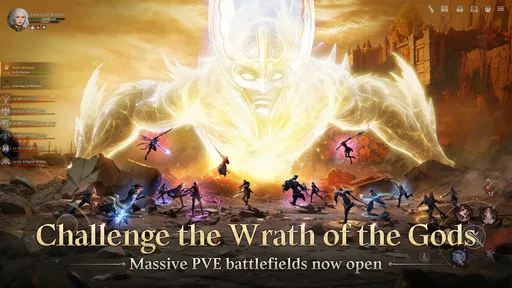
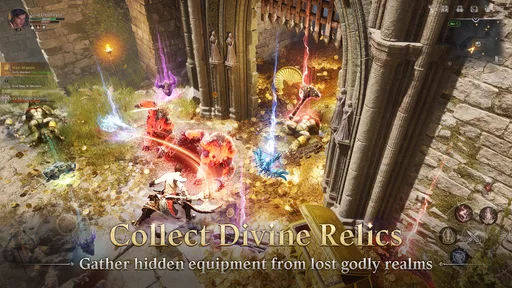
Our Review of Wrath of Celestials
 Analysis by Appyee
I approached Wrath of Celestials as a first-time player looking for a role-playing game that could be understood without a long preparation period. Its central promise is easy to grasp: you step into a fantasy conflict, build momentum through play, and try to stand against a powerful celestial threat. The game is free to start, carries an Everyone age rating, and comes from Leniu Technology Co., Limited. That combination makes it approachable for families and casual players, although the fantasy combat theme will still appeal most to people who enjoy character progression and dramatic battles.
My first impression was that this is best treated as a game you learn through short, deliberate sessions rather than something to rush through blindly. The store summary, “Defy Celestial's Wrath!”, gives the mood, but it does not tell you how to approach the early game. My advice is to resist the temptation to chase every available activity immediately. First understand how movement, combat decisions, rewards, and character improvement fit together. That simple habit makes the opening feel much less confusing.
Getting from installation to a meaningful first win
I’d use this section to bridge the download and the first clear victory, focusing on what makes those opening minutes useful rather than treating installation as the finish line. A small plan—follow one objective, notice how the encounter responds to your choices, and check what the reward can help with—keeps early progress understandable. From there, the next section can look at what the opening experience is really asking of a new player.
What the opening experience is really asking from you
The most important thing for a new player is to recognize that a role-playing game is usually built around a loop: enter an encounter, make progress, collect useful rewards, improve your character, and return better prepared. Wrath of Celestials is easier to appreciate when I view each early battle as part of that loop instead of judging it as a standalone fight. A victory is valuable not only because it clears an obstacle, but because it teaches me which actions matter and what kind of improvement I should prioritize next.
I would not install this expecting a quiet puzzle game or a purely decorative fantasy experience. The celestial conflict gives it a more dramatic identity, and players who like seeing a character become stronger over several sessions should feel at home. On the other hand, anyone who wants a completely passive experience may find the role-playing structure too demanding. Even when the early encounters are manageable, attention still matters because progression choices can affect how comfortable the next challenge feels.
The game currently appears as version 1.5 and requires Android 8.0 or later. That is useful to check before installing, especially on an older phone or a device shared with a younger player. It is available at no upfront cost, while optional purchases are listed at $1.49 per item. I would begin with the free experience and only consider spending after deciding whether the combat rhythm and progression style suit me. A low individual price does not automatically make every purchase worthwhile.
A calm first setup saves time later
After opening the game, I recommend taking a moment to read the first instructions instead of tapping through them as quickly as possible. In role-playing games, early prompts often explain the basic relationship between battles, rewards, and upgrades. Missing one small explanation can lead to unnecessary confusion later, particularly when a new screen presents several buttons that appear equally important.
My preferred setup is simple. I play the opening section without trying to optimize every choice, note which screen shows character improvement, and identify where completed rewards are collected. Those three reference points are more useful than memorizing every menu. If you know how to begin an encounter, how to finish it, and where to make your next improvement, you already have the foundation needed to progress.
I also suggest keeping the first session focused. Do not treat every notification, reward prompt, or new option as an instruction to change direction. Some options are more useful after you have seen the basic battle flow. A new player can easily spend attention on secondary details before understanding the main route. My rule is to complete the immediate objective first, then inspect the menus with a clearer idea of what the game is asking me to improve.
Because the game is rated for Everyone, it is a reasonable choice for a parent and child to explore together, provided the adult explains that free installation and optional purchases are different things. The purchase price attached to an item is clear enough to understand, but the bigger question is whether the item solves a real problem in the current progression. I would encourage a child to show the item and explain its purpose before any purchase is considered.
How I define the first successful action
For a first-time player, the first meaningful success is not simply reaching a new screen. It is completing an encounter while understanding why the result happened. I would begin by following the initial objective, watching how the character responds to each command, and paying attention to which action produces the most dependable progress. If the game presents a straightforward early opponent, use that fight as a learning exercise rather than trying to finish it as fast as possible.
Once the encounter is complete, immediately look through the reward and improvement screens. This is where many players lose the thread: they win, collect something, and then continue without applying or understanding the benefit. I prefer to pause after the first victory and ask three practical questions. What did I receive? Where can it be used? Does using it improve my ability to survive the next encounter, deal with a specific problem, or simply open another option?
The best early habit is to connect every reward to a specific next challenge. If the next battle is difficult because the character cannot withstand enough pressure, prioritize the improvement that helps with survival. If the issue is slow progress, look for the option that improves offensive efficiency. This is more reliable than choosing an upgrade because its name sounds impressive or because it is newly available.
That approach also makes the game feel less like a sequence of disconnected menus. I can see a direct line from action to reward and from reward to preparation. For a new player, that line is the first real sign that the progression system is working. It gives purpose to the next session instead of leaving me wondering whether I am merely tapping through content.
Where new players may become confused
The likely friction point is not the fantasy setting itself but the number of decisions that can appear around a battle. Role-playing games often place combat, character growth, rewards, and future objectives close together. A player who opens every available option at once may struggle to tell which choice affects immediate progress and which one is better saved for later.
When I feel unsure, I return to the most recent obstacle. I ask whether the problem was damage, endurance, timing, or simply not understanding the objective. That diagnosis keeps me from making random improvements. It also prevents a common mistake: spending a resource on a general upgrade when a more focused adjustment would have addressed the actual weakness.
Another source of confusion is the difference between completing an action and collecting its result. If a reward appears to be available after an encounter, check whether it has already been added automatically or whether another confirmation is required. I would not assume that every glowing button represents a mandatory next step. Read the label, check the current objective, and use the back option when a screen does not seem relevant.
Players who are used to fast action games may also need to slow down. The appeal here is not only the moment-to-moment confrontation; it is the gradual process of becoming ready for stronger opposition. Rushing through every encounter can hide the reason a victory happened, while rushing through upgrades can create a character that feels uneven. A few seconds of attention after each battle can save a frustrating restart later.
There is also a practical trade-off with optional purchases. An item costing $1.49 may seem inexpensive in isolation, but repeated small purchases can change how I experience a free game. I would use them only when I understand what they provide and when the benefit is meaningful for my chosen style of play. If I am still learning the basics, buying a shortcut can remove the very progression lesson that helps me improve.
A useful routine for the first few sessions
My recommended routine is to play one objective at a time, finish the related encounter, inspect the result, and make one considered improvement before moving on. This keeps the opening manageable and creates a clear stopping point. It works particularly well for someone playing during a commute, a break, or a short evening session because each visit has a defined purpose.
For example, imagine having only a little free time after work. I would open the game, continue the current objective, complete the next fight, collect the reward, and spend a minute checking whether the character is prepared for the following challenge. If the next step looks demanding, I would stop there rather than making hurried choices. That leaves me with a useful sense of progress and a clear plan for the next session.
A second helpful routine is to keep track of what caused difficulty. You do not need a detailed spreadsheet. A short note such as “survived but lacked damage” or “lost because I ignored the objective” is enough. When you return later, that note tells you what to watch for. This is especially useful if you play irregularly and forget the details of your previous session.
I would also avoid changing several things at once. If you alter multiple upgrades and then perform much better, you may not know which decision helped. Making one meaningful adjustment at a time turns the game into a small learning process. It is a subtle advantage for new players because it builds confidence through understanding rather than luck.
Who will enjoy the progression
Wrath of Celestials is a good fit for players who like fantasy role-playing games with a clear conflict and a sense of gradual improvement. It should also suit people who prefer playing in short bursts, as long as they are willing to pay attention to objectives and character development. The free entry point makes experimentation easy, and the Everyone rating broadens its audience beyond older genre specialists.
The game may be less suitable for someone who wants a deep, highly customizable role-playing experience immediately. If your priority is an enormous world, complex social systems, or a story that can be approached in many radically different ways, a larger premium role-playing game may be a better choice. Likewise, players who dislike optional purchases in free games may prefer a paid alternative with a single upfront cost, even if that means a higher initial commitment.
Compared with the usual alternatives in the category, the main advantage here is accessibility. I can begin without paying and learn the central progression loop gradually. The trade-off is that free-to-play design can make me more conscious of rewards and purchases than I would be in a fully paid game. That does not make the experience poor, but it means I need to decide early whether I am comfortable ignoring optional spending and progressing at my own pace.
How the audience size affects my confidence
The game has passed 500K installs and holds a 4.7 average from around 54K ratings, with roughly 1.2K written reviews. Those figures suggest that it has attracted a substantial audience and that many players have responded positively. I would still treat popularity as a reason to try it, not as proof that it matches every preference. The strongest test remains the opening session: if the first battles and upgrade decisions feel satisfying, the wider audience becomes reassuring context.
One useful way to read that reception is to separate curiosity from long-term fit. A large install base tells me that people are willing to download and explore the game. The rating suggests that the overall experience works well for many of them. My own decision would depend more on whether I enjoy the rhythm of completing objectives, improving a character, and preparing for the next celestial challenge.
What to do after the first success
After the first clear victory, I would not immediately chase the most dramatic-looking option. Instead, choose the next objective that teaches a new part of the game without creating too many simultaneous decisions. Continue checking how each reward relates to the next obstacle. If a new feature or menu appears, explore it after completing the current task, when you have a better context for judging its value.
This is also the point where I would decide whether the game deserves regular space on my phone. Ask yourself whether the progression feels rewarding without spending money, whether the encounters hold your attention, and whether the celestial theme is enough to keep you curious. If the answer is yes, a consistent routine will probably make the experience more enjoyable than occasional random tapping.
My final recommendation is measured but positive. Wrath of Celestials offers an approachable free entry into fantasy role-playing, and its current version gives first-time players a manageable place to begin. I like it most when I treat it as a learning-focused progression game: complete an objective, understand the result, improve with purpose, and then test that improvement. Start free, learn the loop before buying anything, and let your own first meaningful victory decide whether it belongs in your regular game rotation.
Verdict
Strengths of Wrath of Celestials
- Fast-paced combat feels responsive and satisfying.
- Distinct celestial heroes offer varied team-building options.
- Frequent events provide additional goals beyond the main campaign.
- Stylish fantasy visuals create an appealing mythological atmosphere.
- Auto-battle makes routine stages convenient to complete.
Limitations of Wrath of Celestials
- Progress can slow noticeably without regular resource spending.
- Upgrade systems may feel overwhelming for new players.
- Some content requires waiting for energy or timed refreshes.
- Repeated battles can make the later campaign feel grindy.
- Online features depend on a stable internet connection.
Other Releases by Leniu Technology Co., Limited
View All


Similar Picks in This Category
View All
Hair Dye
CrazyLabs LTD4.4

Monster High™ Beauty Salon
CrazyLabs LTD4.5

Bus Simulator - Bus Games 3D
Jima Apps4.4

Flight Pilot: 3D Simulator
Wildlife Studios4.1


Super Stylist Fashion Makeover
CrazyLabs LTD4.4
Frequently Asked Questions
What is Wrath of Celestials about?
Wrath of Celestials is a fantasy-themed mobile game centered on celestial powers, heroic characters, and battles against dangerous enemies. Players typically progress through story content, improve their team, unlock abilities, and participate in combat-focused activities. The game is designed for users who enjoy role-playing mechanics, character development, and an ongoing adventure presented through a mythological or magical setting.
Is Wrath of Celestials free to download and play?
Wrath of Celestials can generally be downloaded without an upfront purchase, allowing players to try the main experience for free. However, the game may include optional in-app purchases for items such as currency, character upgrades, resources, or special bundles. These purchases are not necessarily required to begin playing, but users should review the store listing and device settings before downloading, especially if children may access the game.
Does Wrath of Celestials require an internet connection?
An internet connection may be necessary for important features in Wrath of Celestials, including account synchronization, event participation, online rewards, updates, and server-based gameplay. Even if some menus or limited content appear accessible offline, the complete experience should be expected to rely on an active connection. A stable Wi-Fi or mobile-data connection is recommended to reduce loading problems and prevent interruptions during battles.
Is Wrath of Celestials suitable for all ages?
The game may be appropriate for players who enjoy fantasy combat, supernatural themes, and character-based progression, but parents should check the official age rating before installation. Depending on the presentation, it can include animated fighting, dramatic effects, competitive features, advertisements, and optional purchases. Families should also review privacy permissions, chat or social functions, and parental controls to decide whether the content suits younger players.
What should I check before installing Wrath of Celestials?
Before installing Wrath of Celestials, check that your Android or iOS device meets the required operating-system version and has enough free storage for the initial download and future updates. It is also worth confirming the developer, supported regions, privacy information, and current user reviews in the official store. Because mobile games can receive frequent patches, performance may vary between older and newer devices.
Play our best games!


